


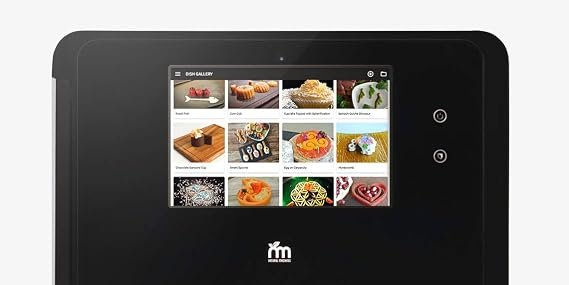
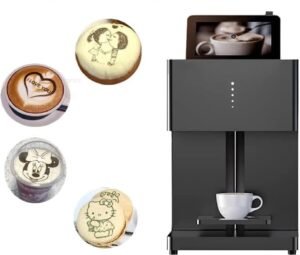
Coffee Printer Machine: A Blend of Fun and Luxury in Every Cup
Discover how a coffee printer machine adds luxury and fun to your daily cup. Explore top smart brands and tips to choose the perfect device for you.

Coffee Latte Art Printing Pen: Is Food Printer Safe and Healthy for Your Family?
Interested in trying a coffee printing pen or a latte art printer? Learn about Evebot PrintPen and Ripples Maker II, and how to choose 100% natural, safe, plant-based edible inks.
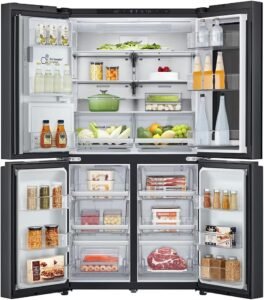
Best Refrigerator in KSA and UAE 2026: Ultimate Buying Guide & Comparisons
Looking for the best refrigerator for your home? Check out our comprehensive guide on buying fridges in Saudi Arabia and UAE, comparing top brands (LG, Samsung, Beko, Hitachi, Hisense) on Amazon.
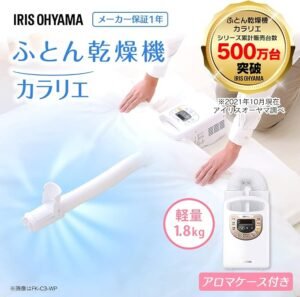
The Ultimate Device to Eliminate Bed Bugs and Restore Warmth and Freshness to Your Bedding: A Guide to Japanese Futon Dryers
Discover the best Japanese bedding dryers and sanitizers to eliminate bed bugs, dust mites, and moisture for good. A comprehensive guide exploring Futon dryers and essential buying tips for KSA and UAE.

Self-Sealing Smart Trash Cans: Will Homemakers Finally Say Goodbye to Daily Chore Fatigue?
Self-sealing kitchen trash cans represent a major technological breakthrough in the world of smart home appliances. These innovative bins can automatically sense when the trash bag is full, thermally seal it completely, and then use built-in air pressure to pull and fully open a fresh bag inside the bin—all without any human contact.

Digital Scent Technology: Devices That Encode and Broadcast Scents At Home
Discover the revolutionary Digital Scent Technology and the smart home devices capable of encoding and broadcasting scents during movies. Are these futuristic gadgets safe, or do they hold hidden risks?

Nutricook Electric Egg Cooker Review: Fast Breakfast Made Easy
Discover the ultimate review of the Nutricook Electric Egg Cooker and Poacher. Learn how this stainless steel appliance helps you prepare boiled, poached, and omelet eggs quickly and effortlessly every morning.

Smart Mirrors and Skin Analyzers: Benefits, Risks, and Buying Guide
A deep-dive review into smart mirrors and facial skin analyzers. Explore their skincare benefits, potential risks, and expert safety guidelines for home use.

Smart Scales Under the Microscope: How They Work and Hidden Risks
Discover how smart scales work under the microscope. Learn about their technical body analysis features, hidden accuracy limitations, and crucial safety risks.
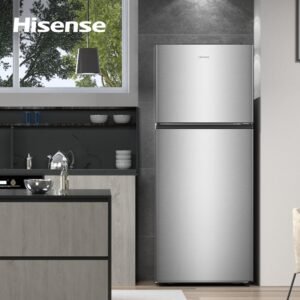
Hisense 488L Refrigerator (RT488N4ASU)
comprehensive review of the Hisense 488L Cross Door Refrigerator. Discover its technical specifications, smart cooling features, pros, and cons before you buy.